
Introduction to ESWT and Tendonitis
Many people suffer from tendon pain. ESWT for tendonitis is a non-surgical treatment that can help. Tendonitis means the swelling or irritation of a tendon. Tendons are strong bands that connect muscles to bones. When they get hurt, daily activities can become hard. However, new treatments like ESWT offer hope for relief. In this blog, you will learn about ESWT, its benefits, and what to expect during treatment.
Symptoms and Causes of Tendonitis
Tendonitis can affect anyone. Often, it causes pain and swelling near a joint. For example, you might feel pain in your shoulder, elbow, knee, or heel. Sometimes, the pain gets worse with movement. In many cases, the area may feel warm or tender to touch. But what causes tendonitis?
Because tendonitis can limit your movement, early treatment is important.
What is ESWT? (Extracorporeal Shock Wave Therapy)
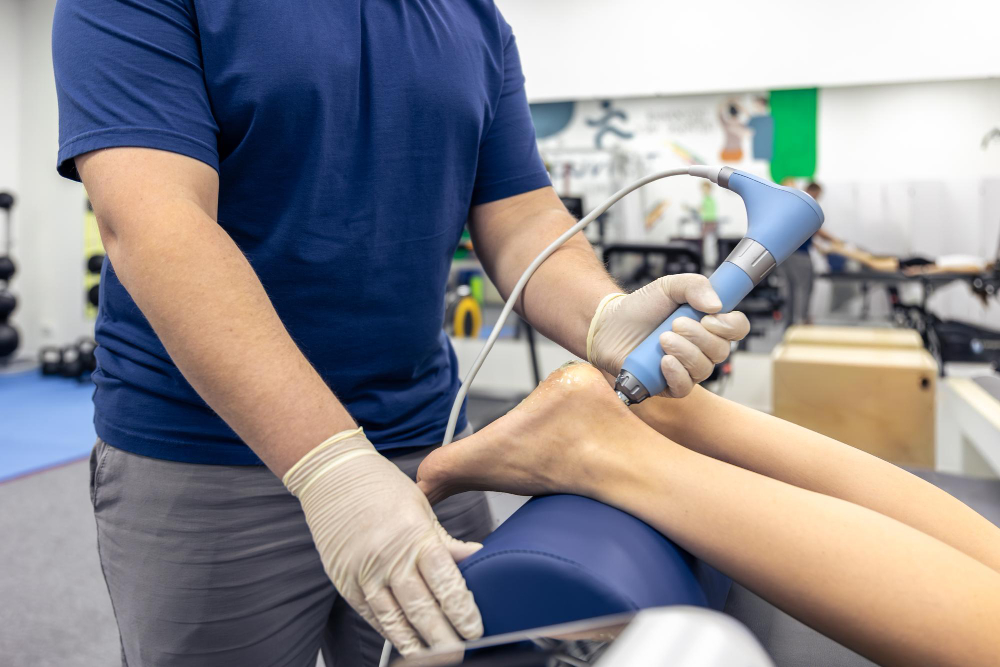
ESWT stands for Extracorporeal Shock Wave Therapy. It is a modern, non-invasive treatment. During ESWT, a device sends sound waves to the painful area. These waves help the body heal itself. ESWT is used for many tendon problems, such as tennis elbow, plantar fasciitis, and Achilles tendonitis. Since it does not require surgery, many people prefer this option.
How ESWT Treats Tendonitis
So, how does ESWT for tendonitis work? The shock waves increase blood flow to the tendon. This helps reduce pain and speeds up healing. Over time, the treatment can break down scar tissue. As a result, the tendon becomes stronger and more flexible. For many, ESWT means less pain and better movement without surgery.
Benefits and Effectiveness of ESWT for Tendonitis
There are many reasons people choose ESWT for tendonitis. Some of the main benefits include:
According to studies in medical journals, ESWT can be effective for chronic tendon pain. In fact, many patients feel better after a few sessions. However, results may vary for each person.
The ESWT Procedure: What to Expect
Before starting, your doctor will check if ESWT is right for you. During the session, you will sit or lie down comfortably. First, the doctor applies gel to the skin. Then, a handheld device delivers shock waves to the area. Each session lasts about 15 to 20 minutes. Most people need three to five sessions, spaced one week apart. After treatment, you can usually return to normal activities right away.
Potential Risks and Side Effects
Although ESWT for tendonitis is safe, some people may notice mild side effects. These can include:
Serious problems are rare. However, always tell your doctor if you have bleeding problems, nerve issues, or are pregnant. Your provider will guide you on safety.
Recovery, Aftercare, and Lifestyle Tips
After ESWT, most people recover quickly. Still, you should follow your doctor’s advice. For best results, consider these tips:
Because healthy habits help healing, eat well and stay active as advised.
Prevention of Tendonitis
Even after treatment, you can lower your risk of tendonitis. Try these steps:
With these habits, you can protect your tendons and avoid future pain.
Frequently Asked Questions (FAQs)
Conclusion
In summary, ESWT for tendonitis is a safe and effective way to treat tendon pain. It offers hope for those who want to avoid surgery. However, each person’s needs are different. Consult a qualified physiotherapist at Shreenath Physiotherapy Clinic for personalized advice on ESWT for tendonitis.